Certification Protocols Guiding Feature Rollouts Across Licensed Reel Platforms
Cameron Berger · Oct 26, 2026
Certification Protocols Guiding Feature Rollouts Across Licensed Reel Platforms
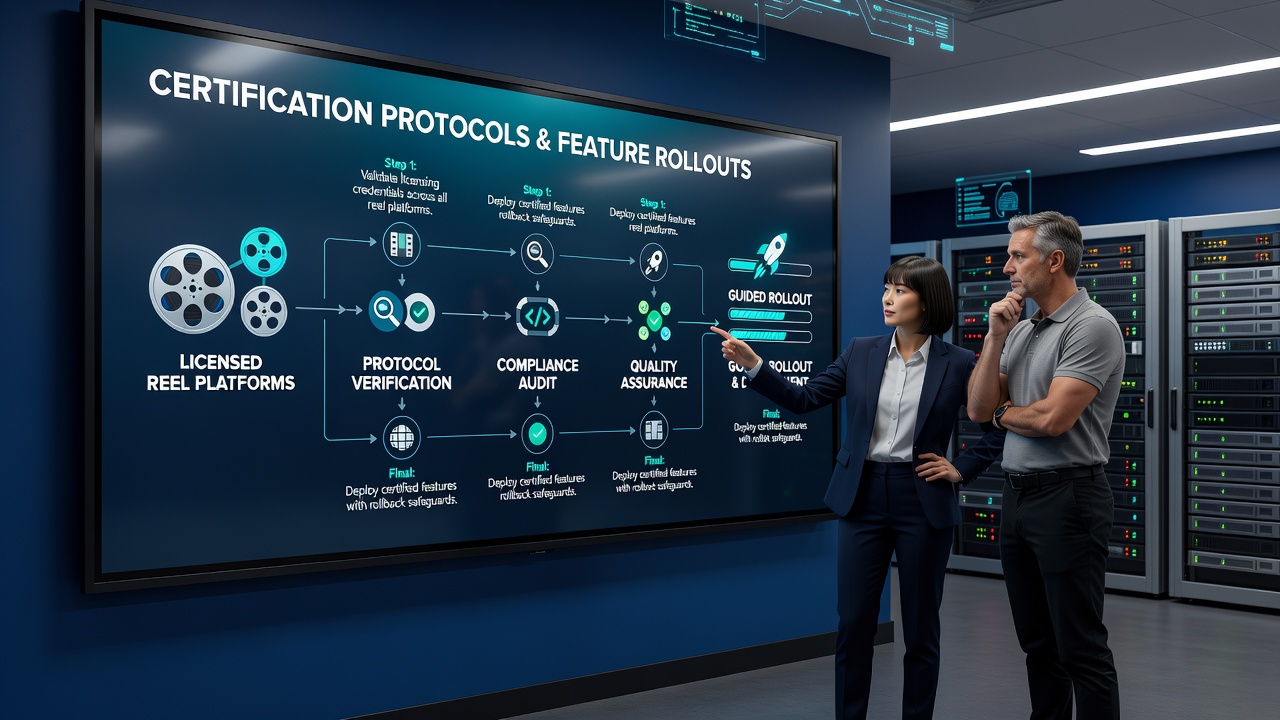
Certification protocols serve as the structured framework that operators and developers follow when introducing new features to licensed reel platforms, and these systems ensure compliance with regulatory standards across multiple jurisdictions. The process begins with detailed documentation submission to accredited testing laboratories, where independent evaluators examine code integrity, random number generator performance, and payout mechanics before any rollout occurs. Data from industry reports indicate that laboratories such as Gaming Laboratories International conduct thousands of evaluations annually, verifying that features like expanding symbols or tumbling sequences meet predefined mathematical and security benchmarks.
Core Elements of Certification Standards
Standards bodies establish clear criteria that cover everything from software architecture to player interface displays, and these guidelines require developers to demonstrate that new reel mechanics operate within approved parameters. Laboratories perform functional testing that includes simulation runs exceeding millions of spins, followed by source code reviews that identify potential vulnerabilities. Observers note that protocols often incorporate region-specific requirements, such as those outlined by the Nevada Gaming Control Board in the United States, which emphasize transparency in bonus round triggers and maximum exposure calculations.
Feature rollouts typically proceed through phased stages that include initial concept approval, prototype validation, and final live environment certification. During these stages, evaluators assess compatibility with existing platform infrastructure while confirming that updates do not compromise previously certified components. Research indicates that this staged approach reduces the incidence of post-launch anomalies, particularly when platforms integrate advanced elements like mystery symbol resolutions or reel takeover mechanics.
Regional Variations in Protocol Application
Jurisdictions apply certification protocols with varying levels of stringency, yet the underlying methodology remains consistent in its focus on mathematical fairness and operational security. In Australia, the Office of Liquor and Gaming Regulation enforces additional scrutiny on progressive jackpot linkages, requiring operators to submit linkage algorithms for independent verification before activation. European frameworks, including those referenced in directives from the European Commission, further mandate accessibility features and responsible gaming controls that must integrate seamlessly with any new reel functionality.
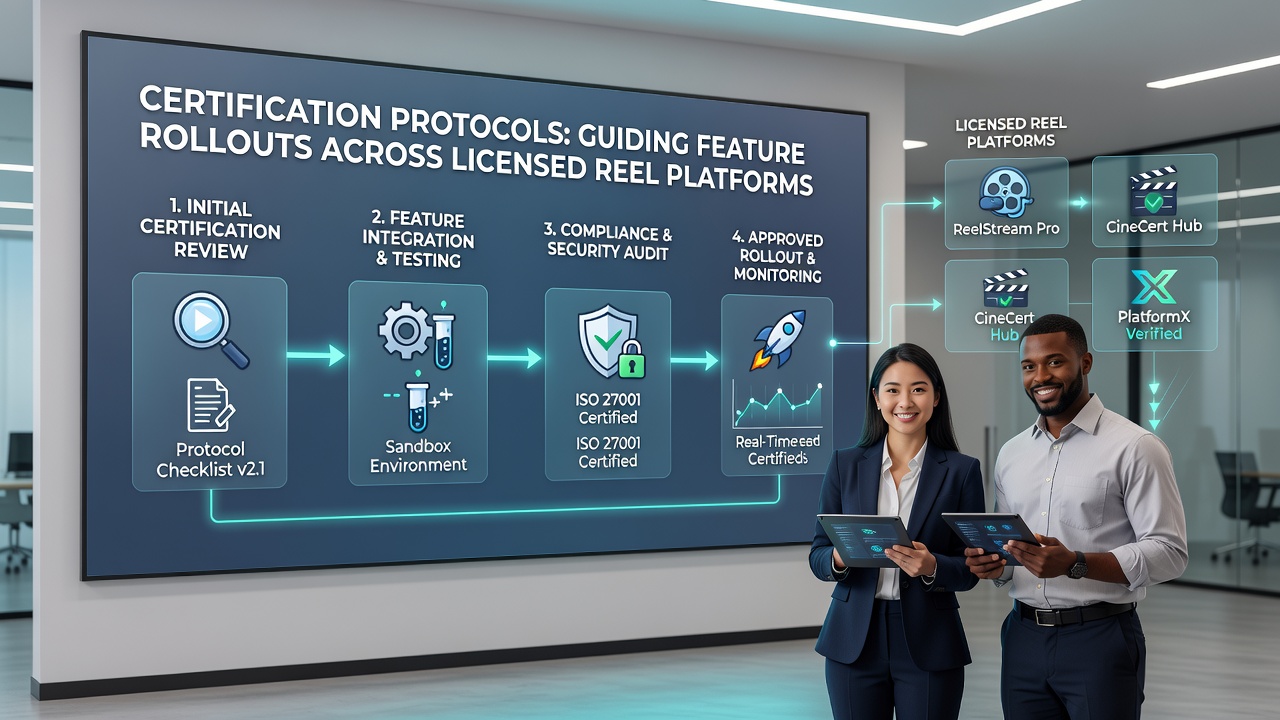
October 2026 marks the scheduled implementation of updated interoperability standards across several North American markets, where regulators have aligned testing requirements for cross-platform feature compatibility. These updates require laboratories to validate that reel innovations function identically on both desktop and mobile environments, and they include enhanced audit trails that track every configuration change post-certification. Figures from regulatory summaries reveal that such alignment has already streamlined approval timelines in pilot programs conducted earlier in the year.
Technical Testing Procedures
Technical evaluations encompass RNG certification that employs statistical sampling methods to confirm uniformity and independence across reel outcomes, while separate modules examine how new features interact with existing paytables. Engineers at accredited facilities run stress tests that simulate peak user loads, ensuring that bonus buy options or cascading sequences maintain consistent performance under high traffic. Those who oversee these procedures emphasize documentation of every test case, which creates an auditable record available for regulatory review at any point after launch.
Integration of third-party components, such as streaming overlays or reward systems borrowed from video game design, triggers additional protocol layers that verify data encryption and transaction logging. Protocols also address potential conflicts between new reel mechanics and legacy systems, requiring remediation plans before certification proceeds. Studies conducted by academic research groups have shown that platforms adhering strictly to these layered checks experience fewer compliance incidents during the first twelve months following feature deployment.
Documentation and Ongoing Compliance
Operators maintain comprehensive records that detail every certified feature, including version histories and change logs that support future audits. Regulatory bodies conduct periodic re-evaluations to confirm that platforms continue operating within certified specifications, and these reviews often coincide with software updates or hardware refreshes. Data collected through these ongoing processes feed into broader industry databases that help identify emerging patterns in feature performance across licensed environments.
Collaboration between developers and testing laboratories occurs throughout the certification cycle, allowing iterative refinements that address issues identified during early evaluations. This cooperative model has proven effective in accommodating rapid innovation cycles while preserving the integrity of reel platform operations. Reports from international gaming associations highlight that jurisdictions adopting collaborative frameworks achieve higher rates of successful feature rollouts without extended delays.
Conclusion
Certification protocols continue to evolve in response to technological advancements in reel platforms, incorporating new testing methodologies that address increasingly complex feature sets. The structured processes followed by laboratories and regulators worldwide provide the foundation for secure and compliant feature introductions, supporting sustained industry growth across diverse markets. As standards align further in the coming years, operators gain clearer pathways for bringing innovations to licensed environments while maintaining the rigorous oversight that protects platform integrity.